Blog

How to End Prepaid Meter Usage Argument in Your Home or Business

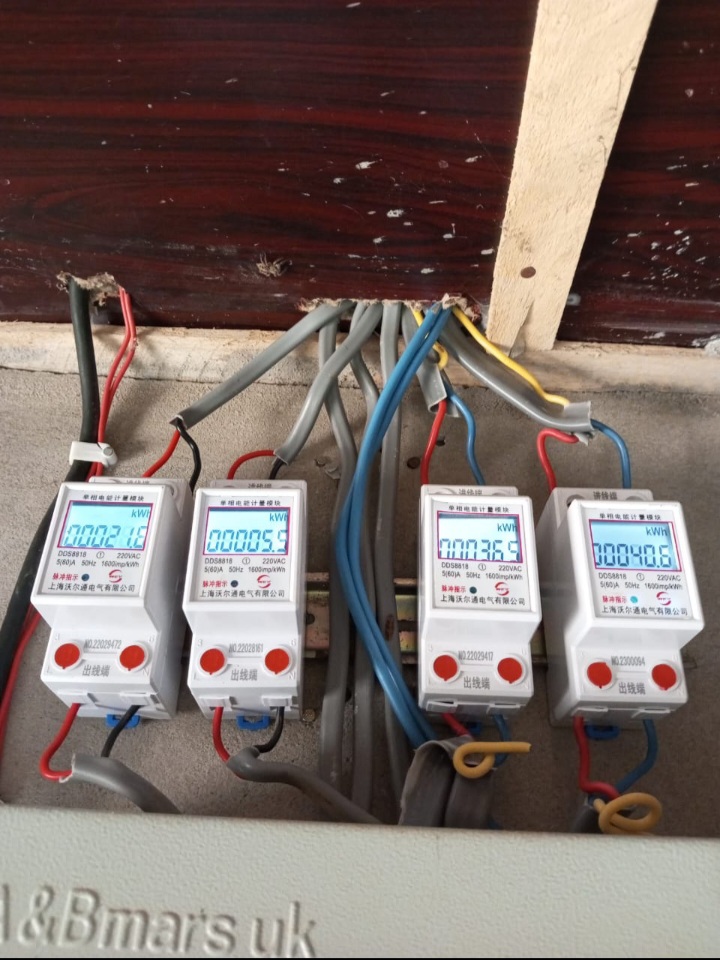
Are you tired of constant arguments about prepaid electricity bills? Whether it’s tenants in a rental apartment, roommates sharing a flat, or family members at home, disagreements over electricity usage and payment are all too common.
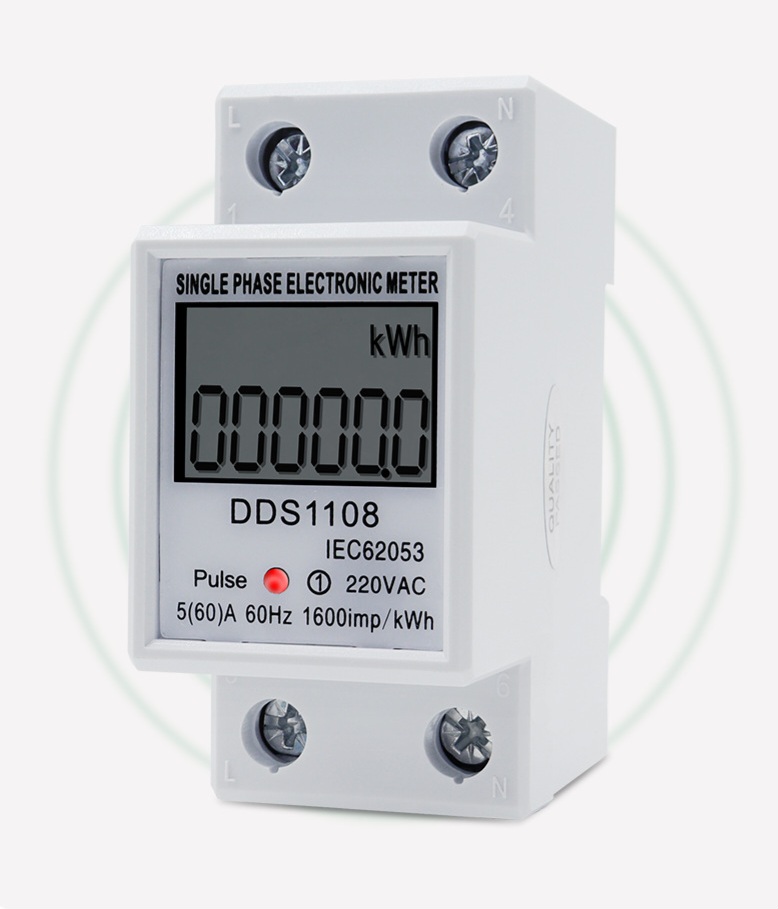
The easiest way to solve this problem is by installing a Digital Energy Power Consumption Meter.

Why Choose the LCD Digital Energy Meter?

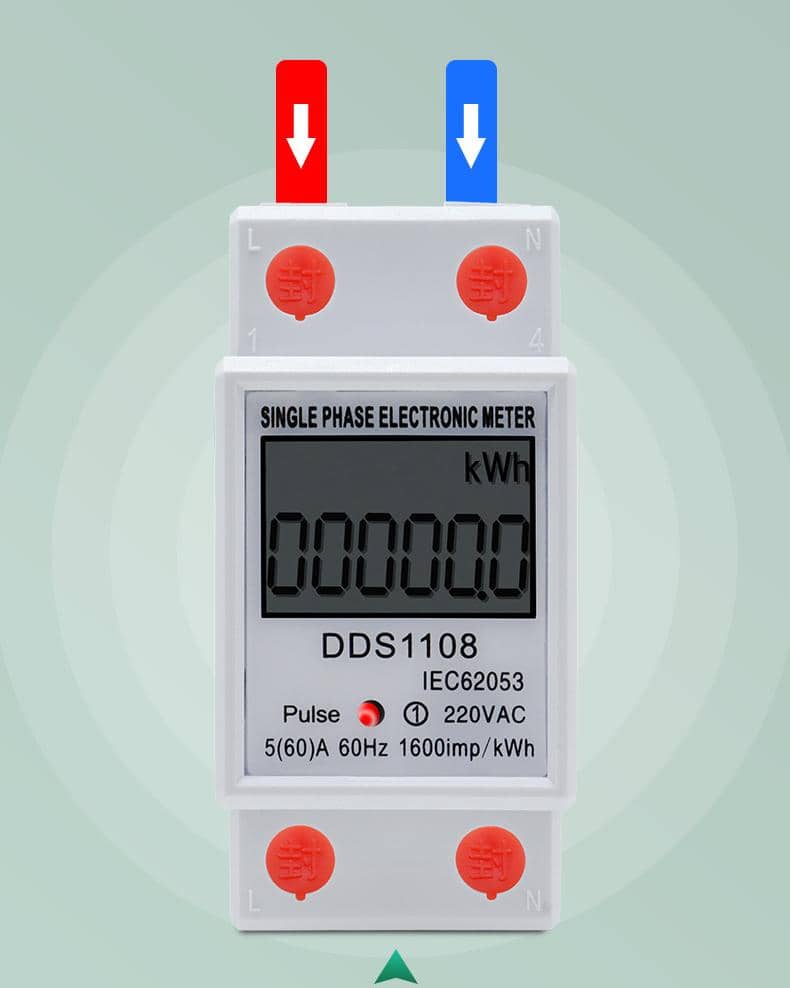
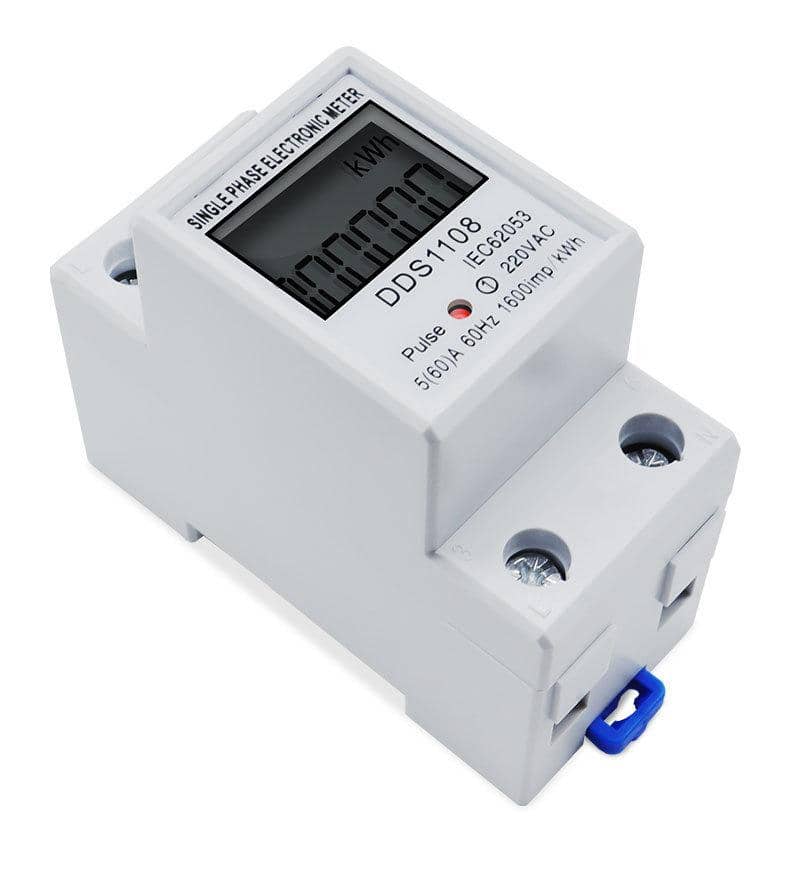
This single-phase prepaid electricity meter alternative accurately measures energy usage in real-time, helping you end disputes over electricity bills once and for all.

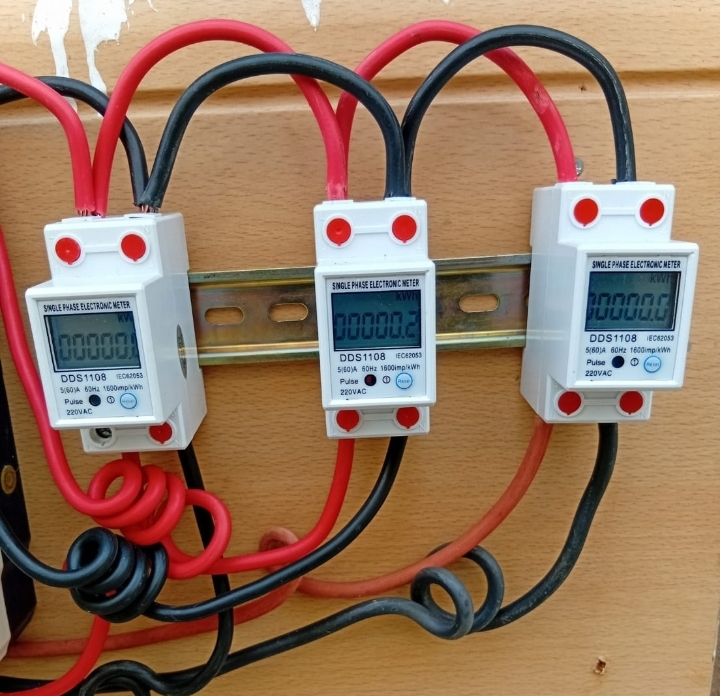
  • Fair Billing for Tenants – Perfect for rental properties, apartments, and shops where multiple users share electricity.
  • Accurate Energy Monitoring – Displays kWh consumption, voltage, current, frequency, and power factor.
  • Transparent Usage Data – No more guesswork; everyone sees the exact power consumed.
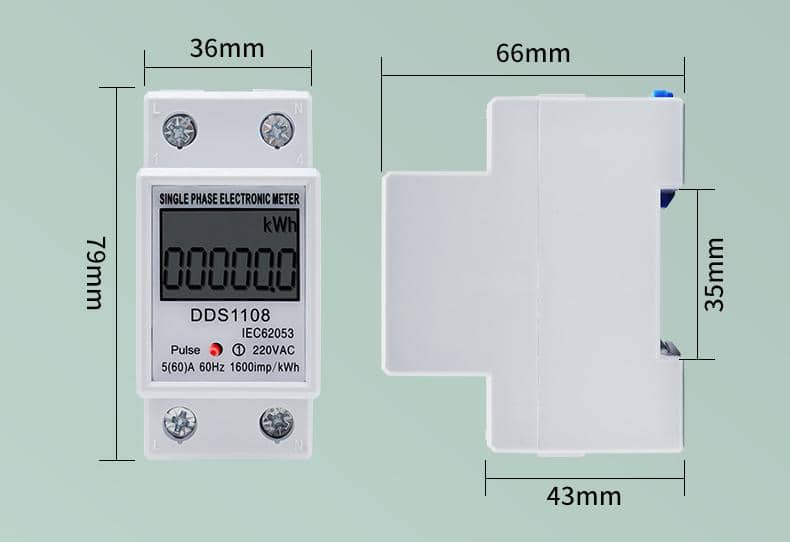
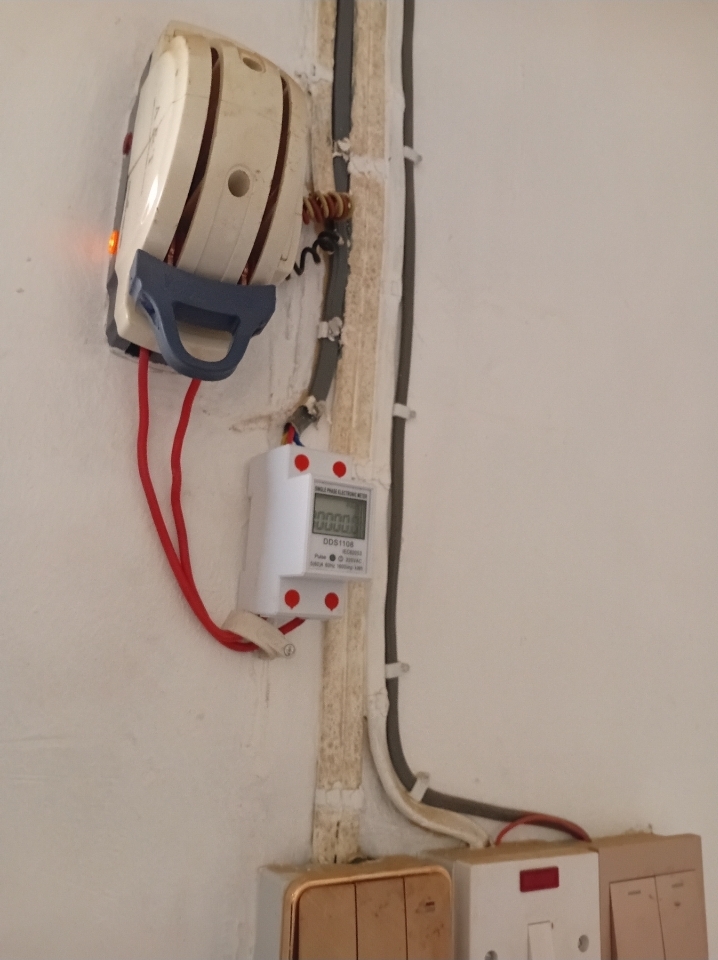
  • Easy Installation – Compact DIN rail energy meter design makes it simple to set up.
  • Reliable Performance – Resistant to electromagnetic interference, ensuring long-term stability.
  • Clear LCD Display with Backlight – Easy to read day or night.

Technical Specifications:Model: LWCD-DS Digital KWh MeterVoltage Range: 140–250VACCurrent Range: 0.1–80AMaximum Load: 17,000WEnergy Measurement: 0.1–99,999.9 kWhInstallation: 35mm DIN RailSize: 8.6 × 4.2 × 7.2 cm

End Electricity Bill Conflicts Today

If you manage rental apartments, hostels, shops, or shared houses, this digital prepaid energy meter alternative ensures everyone pays only for what they use. No more arguments, no more unfair billing.
Buy 5 N55,000 - 60,000

Buy 5+

Buy 10 @  N105,000 - 120,000

Buy 10+
Buy 1 N12,000

What Our Customers Are Saying

Before I installed this digital energy meter in my rental apartments, tenants were always arguing over who used more power. Now, each flat pays for their exact usage. No more stress!"
- Mr Adedoye
"We used to fight with students over prepaid electricity sharing. Since I fixed these meters, every room pays only for what they use. It has saved me time and trouble."
- Mr Ibrahim
Blog

Mini Importation from China
Mini Importation from China — How to Start a Profitable Importation Business in Nigeria | Samocool

How to Start a Profitable Importation Business in Nigeria

Want a realistic side‑hustle you can scale into a full‑time business? Mini importation from China — buying affordable goods at factory prices and reselling them in Nigeria — is one of the fastest, most accessible ways to begin. This practical guide walks you through everything: product research, sourcing, shipping, pricing, and marketing.

What is Mini Importation?

Mini importation is the process of ordering low‑cost products directly from Chinese suppliers and shipping them to Nigeria for resale. Unlike bulk importation (containers, large capital), mini importation lets you start small — often with ₦20,000–₦50,000 — and test different products until you find winners.

Why Mini Importation is a Smart Business in Nigeria

  • Low start-up capital: Start with a small investment and scale gradually.
  • High profit margins: Typical margins range from 100% to 300% on popular items.
  • Flexible product selection: Fashion, gadgets, home items, kids’ wears, beauty — the list goes on.
  • Growing eCommerce market: Nigerian shoppers increasingly buy online via Instagram, WhatsApp, and marketplaces like Jumia.

Step-by-Step: How Mini Importation Works

Step 1 — Product Research

Research is the most important step. Look for trending products with steady demand and good profit potential. Use social platforms, marketplace bestsellers, and local market observations to identify what sells fast.

Step 2 — Source Products from China

Start Now

Step 3 — Shipping & Delivery

Choose between air freight (faster, more expensive) and sea freight (cheaper for larger volumes). Many mini importers use express couriers for small parcels. Factor shipping cost, customs duties, and estimated delivery time into your pricing.

Step 4 — Selling for Profit

Sell via WhatsApp, Instagram, Jumia, Konga, or your own website. Offer great product photos, clear prices, and prompt delivery. Use bundles, discounts, and payment plans to increase average order value.

How Much Capital Do You Need?

You can start small: ₦20,000–₦50,000 for low-ticket items (phone accessories, jewelry, basic fashion). With ₦100,000–₦200,000 you can test higher-demand products and buy larger quantities to reduce per-item cost.

Common Mistakes Beginners Make

  • Skipping product research and buying random items.
  • Working with unverified suppliers.
  • Ignoring shipping and customs costs when calculating profit.
  • Poor product listings and weak marketing.

How to Sell Your Imported Products Fast

Effective marketing speeds up sales. Use a mix of organic and paid strategies:

  • Instagram posts & ads with good product photos and short reels.
  • WhatsApp status, groups and direct messages for quick sales.
  • List on Jumia and other marketplaces to reach wider buyers.
  • Leverage local influencers for product reviews and social proof.

Product Ideas with High Demand

Popular categories for mini importers in Nigeria include:

  • Phone accessories: chargers, cases, wireless earphones.
  • Fashion: shoes, bags, trendy clothing, jewelry.
  • Kids & baby items: toys, clothes, portable gear.
  • Health & beauty: skincare gadgets, makeup tools.
  • Home & kitchen gadgets: organizers, utensils, small appliances.

Pricing Example (Simple Profit Calculation)

Example: Buy wristwatches from China at ₦2,500 (including shipping). Sell at ₦8,000–₦10,000 locally. Gross profit per unit: ₦5,500–₦7,500. Multiply across dozens of units to scale earnings.

Scale Strategies

  • Reinvest profits to buy larger quantities (lower unit price).
  • Diversify product range to reduce risk.
  • Build a brand and repeat-customer base via excellent service.
  • Create a website and email list for long-term growth.

Quick Action Tip: Order product samples first — this helps you verify quality and set realistic prices before a bulk buy.

Frequently Asked Questions

Is mini importation legal in Nigeria?

Yes. Importing legitimate goods for resale is legal. Ensure you follow customs requirements and pay any applicable duties. Work with reputable shipping agents to clear goods properly.

How long does shipping take?

Shipping depends on the method: express courier parcels often take 7–21 days; sea freight may take several weeks. Always confirm estimated delivery times with your logistics provider.

Where do I get suppliers?

Start Now

Ready to Start?

If you’re ready to learn the exact steps, avoid mistakes and scale quickly, consider joining a focused training program that walks you through sourcing, shipping, pricing, and selling — with real examples and live

Conclusion

The mini importation business in Nigeria is accessible, profitable, and scalable. With solid product research, reliable suppliers, smart shipping choices and good marketing, you can turn small capital into a consistent income stream. Start small, test, learn, and scale.

Start Now