
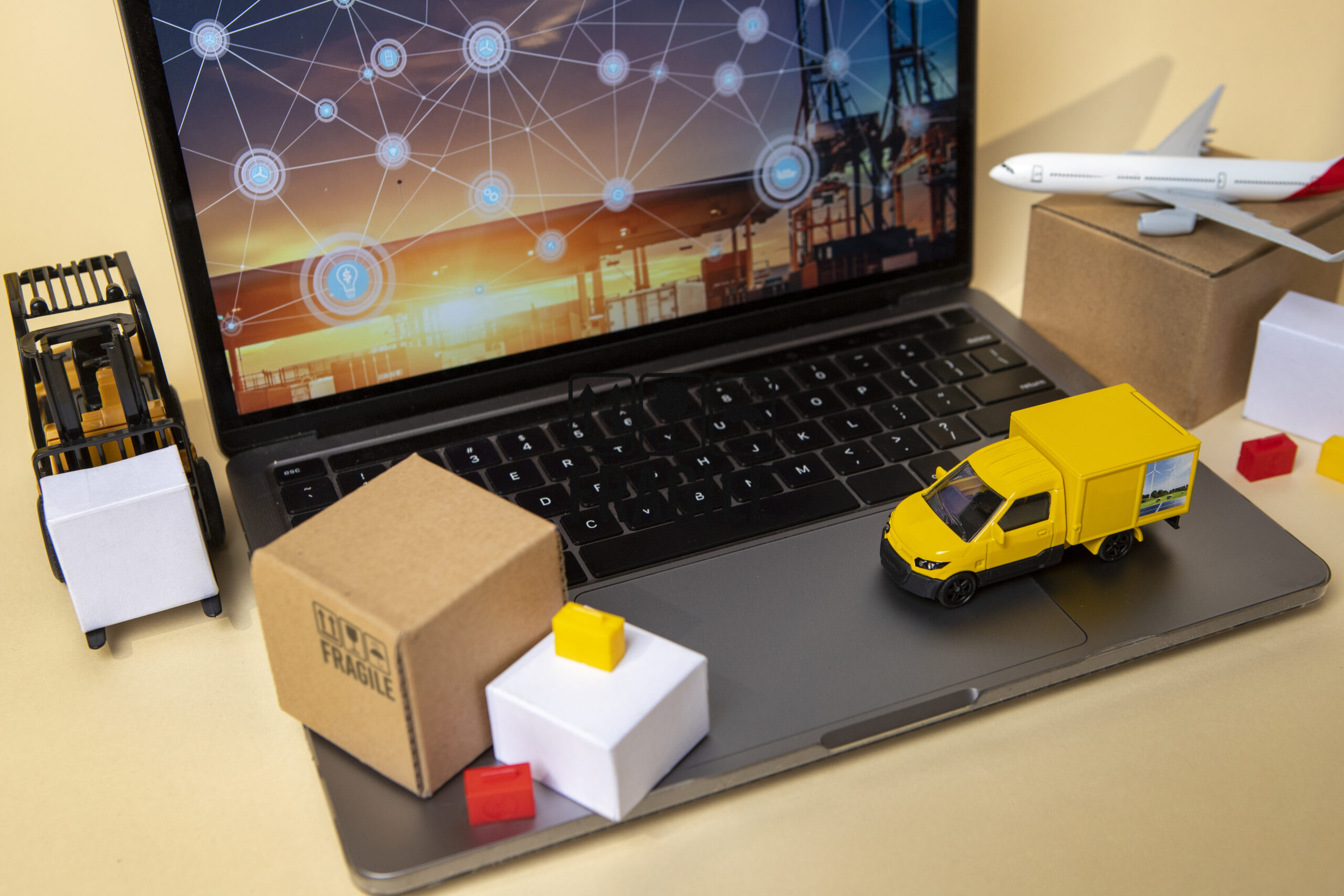

Mini Importation from China
How to Start a Profitable Importation Business in Nigeria
Want a realistic side‑hustle you can scale into a full‑time business? Mini importation from China — buying affordable goods at factory prices and reselling them in Nigeria — is one of the fastest, most accessible ways to begin. This practical guide walks you through everything: product research, sourcing, shipping, pricing, and marketing.
What is Mini Importation?
Mini importation is the process of ordering low‑cost products directly from Chinese suppliers and shipping them to Nigeria for resale. Unlike bulk importation (containers, large capital), mini importation lets you start small — often with ₦20,000–₦50,000 — and test different products until you find winners.
Why Mini Importation is a Smart Business in Nigeria
- Low start-up capital: Start with a small investment and scale gradually.
- High profit margins: Typical margins range from 100% to 300% on popular items.
- Flexible product selection: Fashion, gadgets, home items, kids’ wears, beauty — the list goes on.
- Growing eCommerce market: Nigerian shoppers increasingly buy online via Instagram, WhatsApp, and marketplaces like Jumia.
Step-by-Step: How Mini Importation Works
Step 1 — Product Research
Research is the most important step. Look for trending products with steady demand and good profit potential. Use social platforms, marketplace bestsellers, and local market observations to identify what sells fast.
Step 2 — Source Products from China
Step 3 — Shipping & Delivery
Choose between air freight (faster, more expensive) and sea freight (cheaper for larger volumes). Many mini importers use express couriers for small parcels. Factor shipping cost, customs duties, and estimated delivery time into your pricing.
Step 4 — Selling for Profit
Sell via WhatsApp, Instagram, Jumia, Konga, or your own website. Offer great product photos, clear prices, and prompt delivery. Use bundles, discounts, and payment plans to increase average order value.
How Much Capital Do You Need?
You can start small: ₦20,000–₦50,000 for low-ticket items (phone accessories, jewelry, basic fashion). With ₦100,000–₦200,000 you can test higher-demand products and buy larger quantities to reduce per-item cost.
Common Mistakes Beginners Make
- Skipping product research and buying random items.
- Working with unverified suppliers.
- Ignoring shipping and customs costs when calculating profit.
- Poor product listings and weak marketing.
How to Sell Your Imported Products Fast
Effective marketing speeds up sales. Use a mix of organic and paid strategies:
- Instagram posts & ads with good product photos and short reels.
- WhatsApp status, groups and direct messages for quick sales.
- List on Jumia and other marketplaces to reach wider buyers.
- Leverage local influencers for product reviews and social proof.
Product Ideas with High Demand
Popular categories for mini importers in Nigeria include:
- Phone accessories: chargers, cases, wireless earphones.
- Fashion: shoes, bags, trendy clothing, jewelry.
- Kids & baby items: toys, clothes, portable gear.
- Health & beauty: skincare gadgets, makeup tools.
- Home & kitchen gadgets: organizers, utensils, small appliances.
Pricing Example (Simple Profit Calculation)
Example: Buy wristwatches from China at ₦2,500 (including shipping). Sell at ₦8,000–₦10,000 locally. Gross profit per unit: ₦5,500–₦7,500. Multiply across dozens of units to scale earnings.
Scale Strategies
- Reinvest profits to buy larger quantities (lower unit price).
- Diversify product range to reduce risk.
- Build a brand and repeat-customer base via excellent service.
- Create a website and email list for long-term growth.
Quick Action Tip: Order product samples first — this helps you verify quality and set realistic prices before a bulk buy.
Frequently Asked Questions
Is mini importation legal in Nigeria?
Yes. Importing legitimate goods for resale is legal. Ensure you follow customs requirements and pay any applicable duties. Work with reputable shipping agents to clear goods properly.
How long does shipping take?
Shipping depends on the method: express courier parcels often take 7–21 days; sea freight may take several weeks. Always confirm estimated delivery times with your logistics provider.
Where do I get suppliers?
Ready to Start?
If you’re ready to learn the exact steps, avoid mistakes and scale quickly, consider joining a focused training program that walks you through sourcing, shipping, pricing, and selling — with real examples and live
Conclusion
The mini importation business in Nigeria is accessible, profitable, and scalable. With solid product research, reliable suppliers, smart shipping choices and good marketing, you can turn small capital into a consistent income stream. Start small, test, learn, and scale.